
The Loch Ness Monster
A long neck above the black waters of Scotland for fifteen hundred years
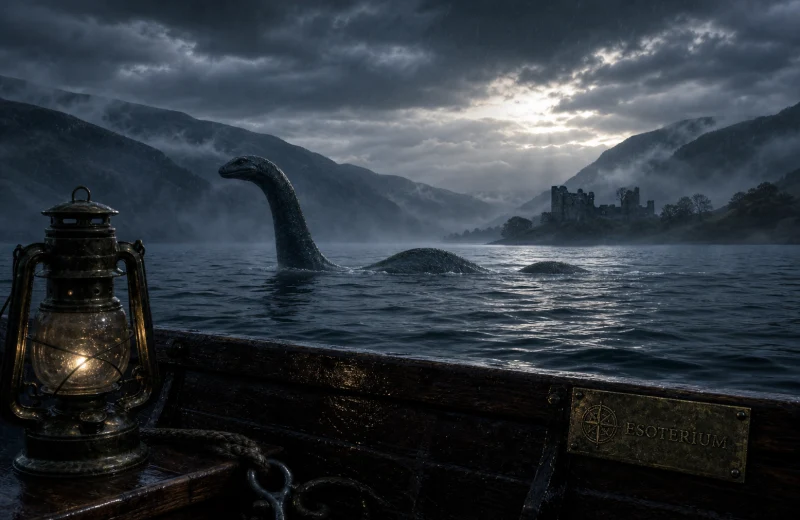
| Also known as | Nessie, Niseag |
|---|---|
| Region | Loch Ness, the Highlands (Scotland) |
| First sighting | AD 565 (the chronicle of Saint Columba) |
| Type of creature | Lake creature |
| Danger level | ☾☾☾☾☾ |
Fifteen centuries of shadows in the water
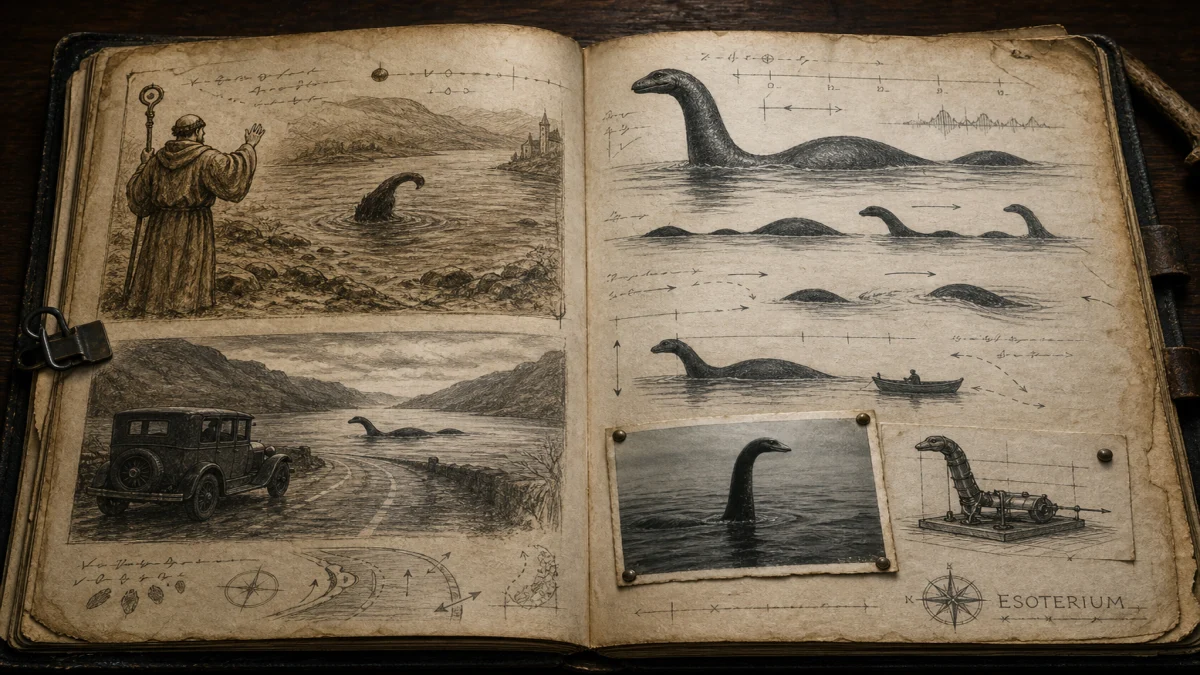
The first record dates from AD 565: the life of Saint Columba tells how the monk halted a «water beast» about to devour a man in the River Ness. The legend dozed for centuries among the locals until 1933, when the road skirting the loch was opened and sightings surged: one couple watched something cross in front of their car that was «the nearest approach to a dragon that I have ever seen».
In 1934 came the surgeon's photograph: a slender neck rising from the water that travelled around the world. Sixty years later it was revealed to be a hoax… but by then Nessie was already immortal.

Sonar, expeditions and DNA
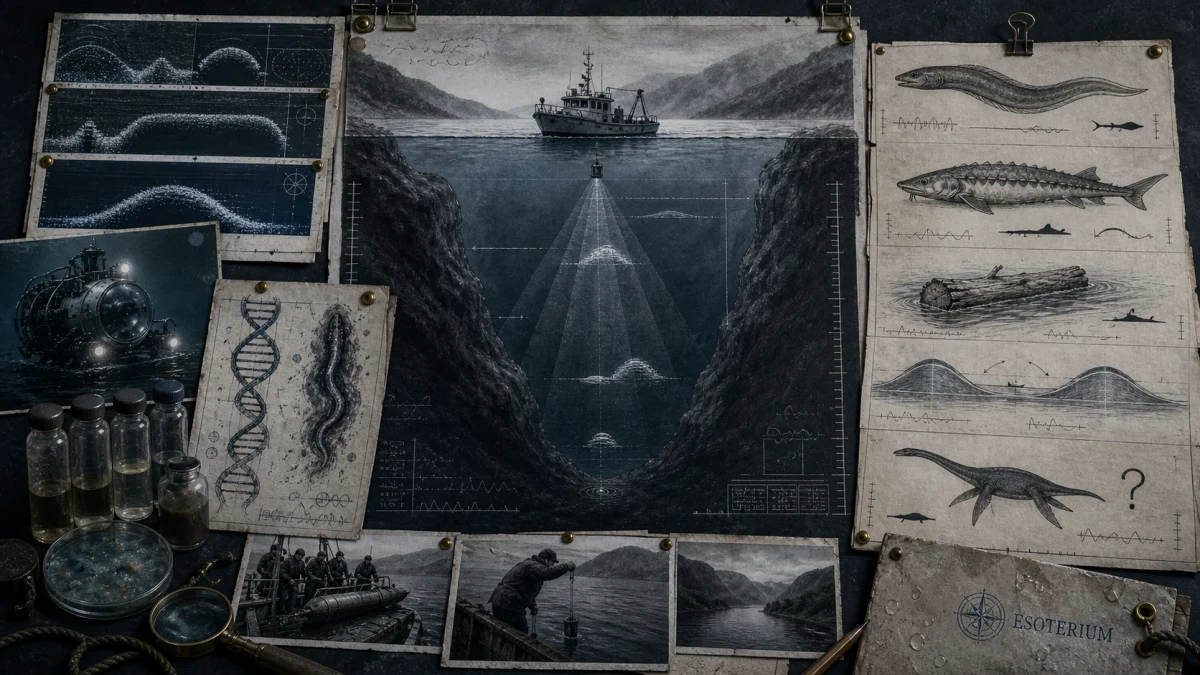
Loch Ness holds more water than every lake in England and Wales combined, and its peat-stained water lets you see only a few metres down. It has been swept with sonar, probed by submersibles, and in 2018 subjected to a massive environmental DNA survey: no giant reptile turned up, though there was a puzzling abundance of eel DNA. Large sonar contacts, however, still surface from time to time.
Plesiosaur, eel or mirage?
The romantic hypothesis — a surviving plesiosaur — collides with biology: a lake barely 10,000 years old cannot hide a colony of marine reptiles. The serious candidates are giant eels, sturgeon, drifting logs and the loch's strange standing waves. Even so, every year someone new swears they have seen a dark hump moving against the wind. The official register of sightings remains open.